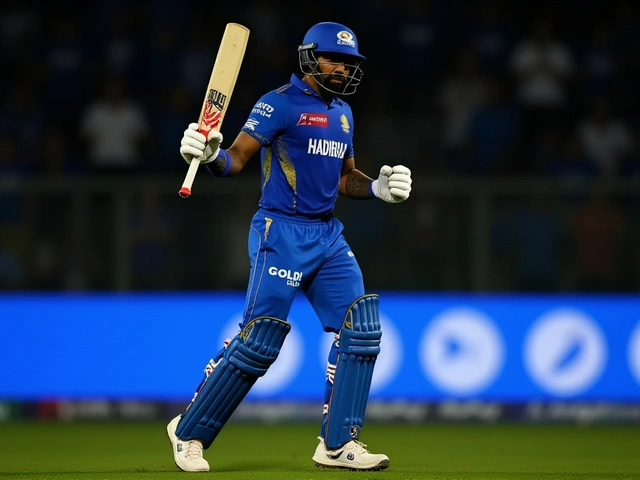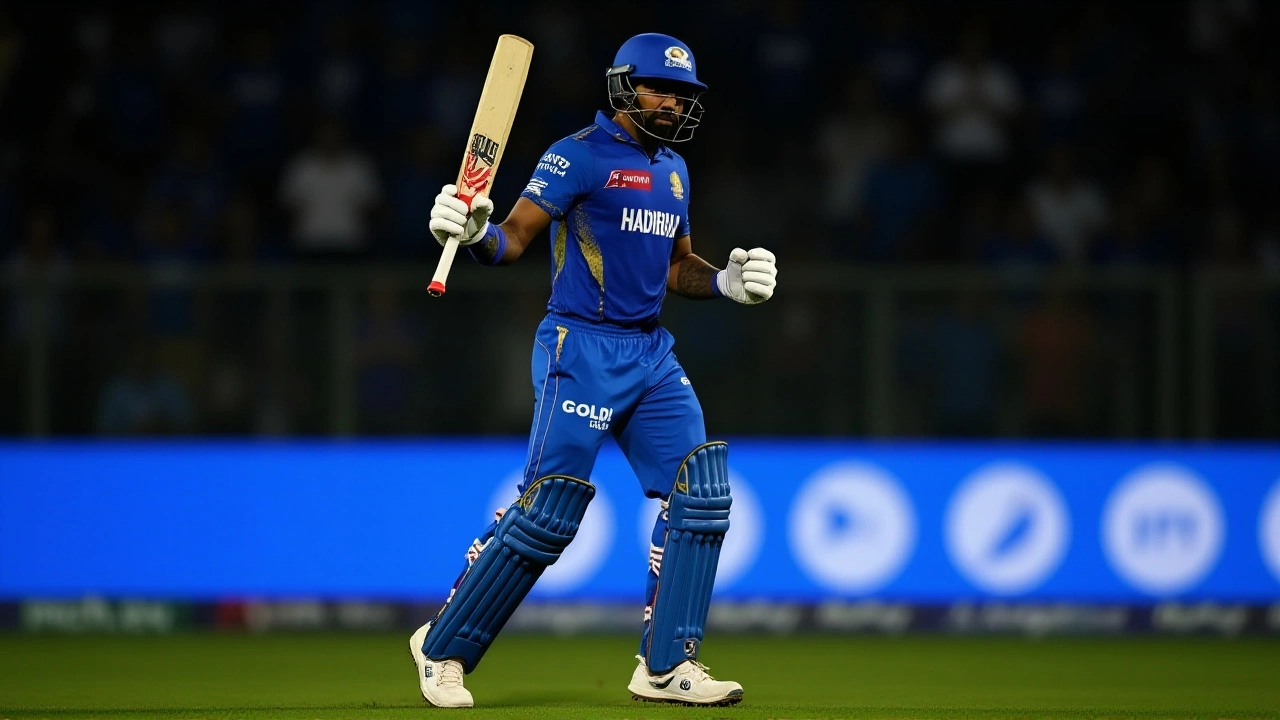
When Hardik Pandya, captain of Mumbai Indians, took the helm for the franchise in 2024, fans weren't just looking at a change in leadership—they were watching a complete shift in team dynamics. The opening match against Gujarat Titans on March 24 set the tone for what promised to be a turbulent yet exciting season.
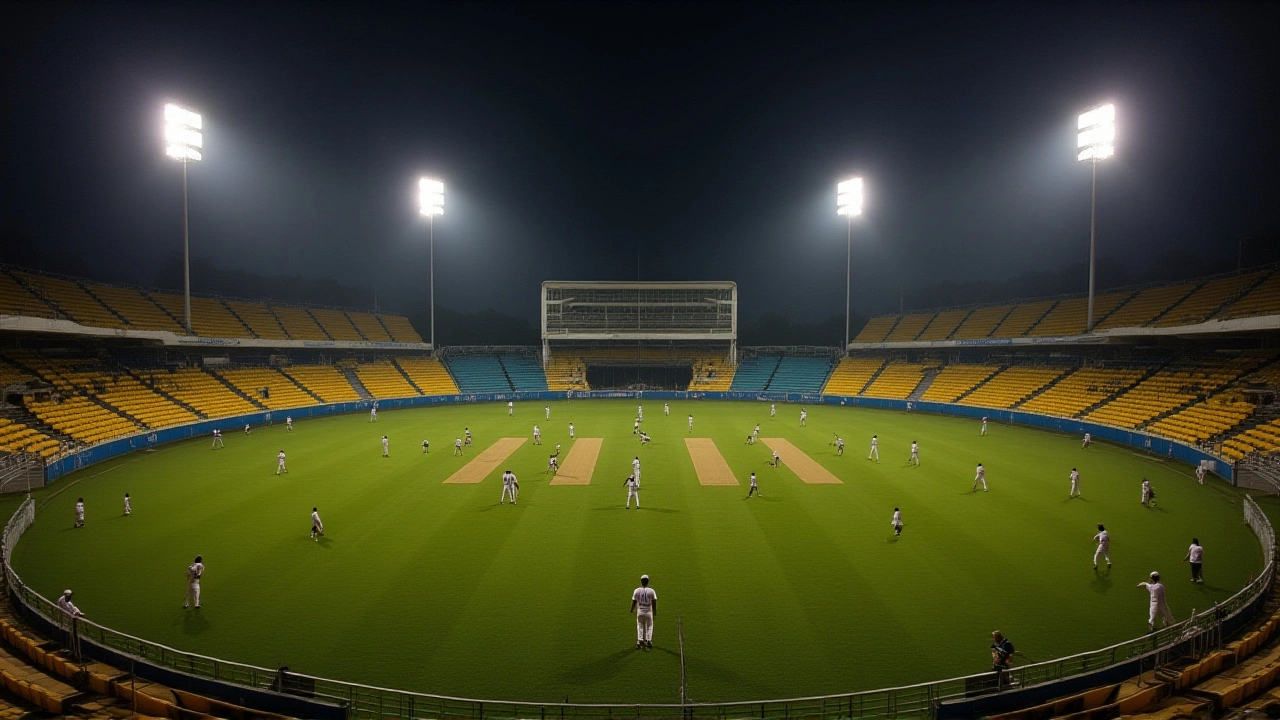
The tournament kicked off on March 22, but Mumbai’s first real test came two days later in Ahmedabad. Here’s the thing about starting your campaign away from home: it strips away the comfort zone. For a team transitioning from Rohit Sharma’s era to Pandya’s aggressive style, playing in the hostile environment of the Narendra Modi Stadium was less of a warm-up and more of an immediate audit.
A Challenging Start Away From Home
The schedule didn’t offer any breathing room. After facing Gujarat Titans, Mumbai traveled to Hyderabad to take on Sunrisers Hyderabad on March 27. Two consecutive away games? That’s a brutal start. Most franchises prefer a home opener to build momentum, but BCCI’s logistics—driven partly by India’s general election preparations—forced this staggered rollout.
Only the first 21 matches were announced initially, covering fixtures up to April 7. This partial scheduling created uncertainty, but it also meant teams had to adapt quickly without knowing their full league journey. For Mumbai, it meant focusing intensely on those first four critical games.
The turnaround began on April 1 when they finally returned to their fortress in Mumbai to face Rajasthan Royals. Then, on April 7, they hosted Delhi Capitals. These home games were crucial not just for points, but for morale. You could feel the energy shift as the crowd got back into the mix.
The Human Side of Cricket: #ESADay
But wait—there’s more to this story than just runs and wickets. On that same April 7 match against Delhi Capitals, something special happened. It wasn’t just another game; it was designated as #ESADay.
This initiative is part of a joint effort between Mumbai Indians and Reliance Foundation. Every season, one match is dedicated to “Education and Sports for All.” Sounds corporate? Maybe. But look closer.
Over 20,000 children from various non-governmental organizations across Mumbai were invited to watch the live match. Imagine thousands of kids cheering for their idols, experiencing the roar of the stadium firsthand. It’s not just PR—it’s access. For many of these underprivileged youth, seeing cricket played at the highest level might inspire them to pick up a bat or ball themselves.
The details are still unclear regarding the exact financial investment per child, but the impact is tangible. In a city where opportunities can be scarce, giving 20,000 kids a day of wonder is significant. It reminds us why sports matter beyond the scoreboard.
Leadership Transition: From Rohit to Hardik
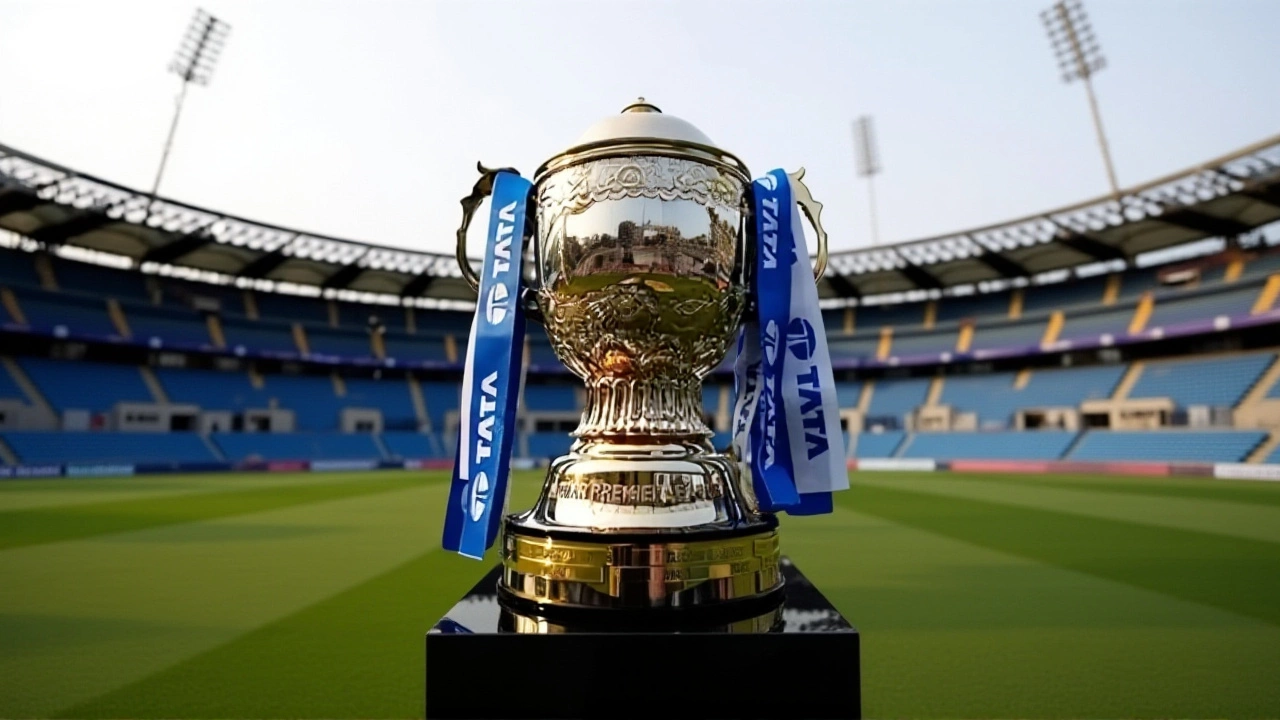
Let’s talk captaincy. The title mentioned Hardik Pandya taking over from Rohit Sharma, and rightly so. Rohit led with calm authority; Hardik leads with intensity. It’s a different flavor entirely.
There were rumors swirling online about potential bans or disciplinary issues involving Pandya due to slow over-rates. Turns out, none of that stuck. No official statements from the BCCI or IPL governing body confirmed any suspensions during this period. The sources available only discuss schedules, social initiatives, and leadership changes—not penalties.
So, if you’re wondering whether Pandya faced a ban after the initial matches? The answer is no. At least not based on verified reports. The focus remained squarely on performance and strategy.
Why This Matters
The transition from Rohit to Hardik symbolizes a broader trend in Indian cricket: younger leaders stepping up earlier. While some purists missed Rohit’s elegance, others appreciated Hardik’s fire. It’s subjective, sure, but effective leadership often sparks debate before it yields results.
Also, consider the timing. With elections looming, logistical constraints affected the entire tournament structure. Teams had to navigate uncertain venues and dates. How did Mumbai handle it? By leaning on experience within the squad while allowing new blood like Pandya to drive the narrative.
What’s Next for Mumbai Indians?
Looking ahead, the remaining 10 matches would be revealed later, likely influenced by ongoing political events in India. This delay added pressure on coaches and players alike. They couldn’t plan long-term strategies until the full picture emerged.
Yet, despite the chaos, Mumbai managed to stay competitive. Their ability to bounce back after tough away starts showed resilience. And let’s not forget—the heart of any successful franchise lies in its connection with fans. Initiatives like #ESADay strengthen that bond significantly.
Frequently Asked Questions
Who captained Mumbai Indians in IPL 2024?
Hardik Pandya took over as captain for the 2024 season, replacing Rohit Sharma who stepped down from the role. This marked a significant shift in leadership style for the franchise.
Was there any ban imposed on Hardik Pandya during IPL 2024?
No, there were no verified reports or official announcements indicating that Hardik Pandya received a match ban during the 2024 IPL season. Rumors circulated online, but nothing concrete emerged from authorities.
What is #ESADay organized by Mumbai Indians?
#ESADay stands for Education and Sports for All, a collaborative initiative between Mumbai Indians and Reliance Foundation. During this event, over 20,000 children from NGOs are invited to attend a live IPL match, promoting inclusivity through sports.
When did Mumbai Indians play their first match in IPL 2024?
Mumbai Indians played their inaugural match of the 2024 season against Gujarat Titans on March 24, 2024, at the Narendra Modi Stadium in Ahmedabad. It was an away fixture, setting a challenging tone early on.
Why was the full IPL 2024 schedule delayed?
The complete schedule was released in phases due to logistical challenges associated with India’s general elections. Initially, only the first 21 matches (up to April 7) were announced, leaving teams to adapt incrementally.