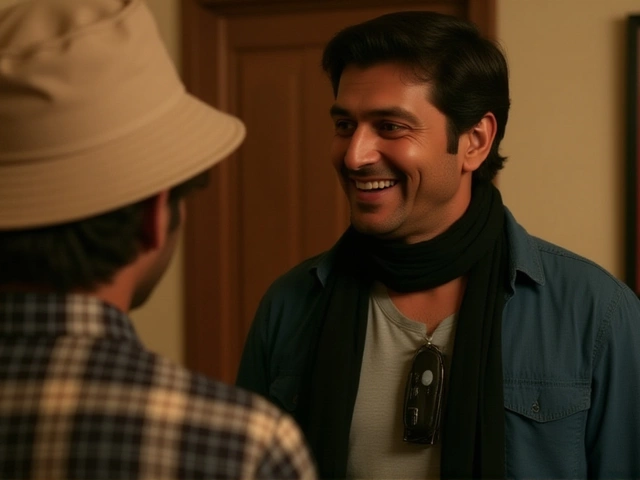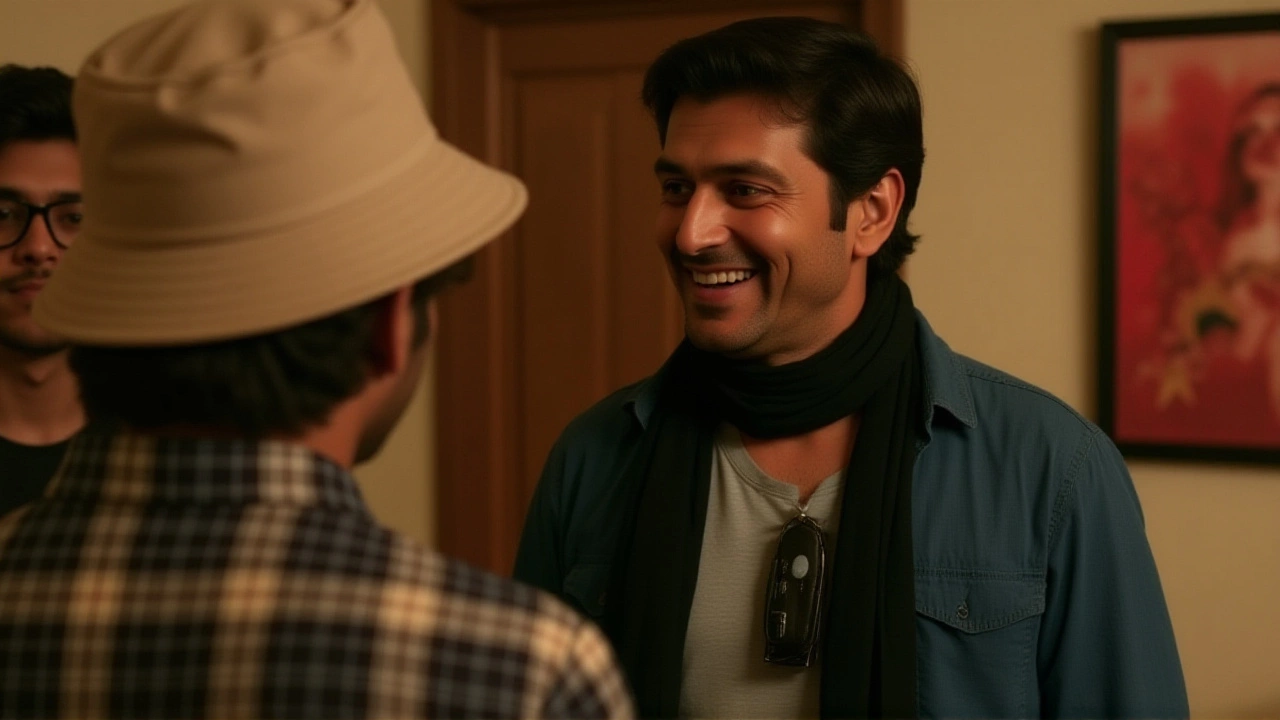
When Sutapa San, widow of the late Irrfan Khan, recently shared a candid anecdote about the making of Piku, she revealed a surprising moment of tension between two of Hindi cinema’s most respected actors. During filming, veteran star Amitabh Bachchan reportedly got genuinely annoyed with his co-star Irrfan Khan. It wasn’t a feud or a dramatic fallout, but rather a classic case of artistic perfectionism clashing with on-set spontaneity.
The story has resurfaced in recent entertainment reports, reminding fans of the unique dynamic that existed on the set of Shoojit Sircar’s acclaimed 2015 family drama. Here’s the thing: while we often see the polished final product, the behind-the-scenes reality is usually messier, funnier, and occasionally more tense than the script suggests.
A Tale of Two Perfectionists
Sutapa San described the incident as a "fun story," which immediately sets the tone. This wasn’t a hostile confrontation. Instead, it highlights how deeply committed both actors were to their craft. According to her account, Irrfan Khan had made several creative changes to his scenes or character nuances during the shoot. These weren't minor tweaks; they were significant adjustments that altered the flow or delivery of certain sequences.
Amitabh Bachchan, known for his disciplined approach and respect for the director's vision, was reportedly taken aback by these unilateral changes. He expressed his displeasure, not out of ego, but because he preferred clarity and consistency in rehearsals. For an actor who has been working since the 1960s, improvisation without prior discussion can feel like stepping on thin ice.
But wait—there’s a twist. The annoyance was short-lived. Both actors are professionals of the highest caliber. They resolved the difference quickly, likely over tea or a quiet conversation away from the cameras. In fact, this friction might have contributed to the electric chemistry seen on screen between Birla (Bachchan) and Rana Mukherjee (Khan).
Why Irrfan’s Changes Mattered
To understand why Amitabh Bachchan reacted strongly, you have to look at Irrfan Khan’s process. He was notorious for rewriting dialogue in his head, changing pauses, and adjusting body language until it felt "right." He didn’t just act; he inhabited. On the set of Piku, he reportedly changed several elements of his performance, believing they would serve the story better.
This isn’t unusual for Irrfan. Throughout his career, he collaborated closely with directors like Satyajit Ray (in earlier projects) and later Anurag Kashyap and Imtiaz Ali, always pushing boundaries. However, when sharing screen time with a legend like Bachchan, whose method is equally rigid but different, clashes were inevitable. Sutapa’s revelation adds depth to our understanding of Irrfan—not just as a talented actor, but as a stubborn artist who refused to compromise his vision.
The Piku Phenomenon
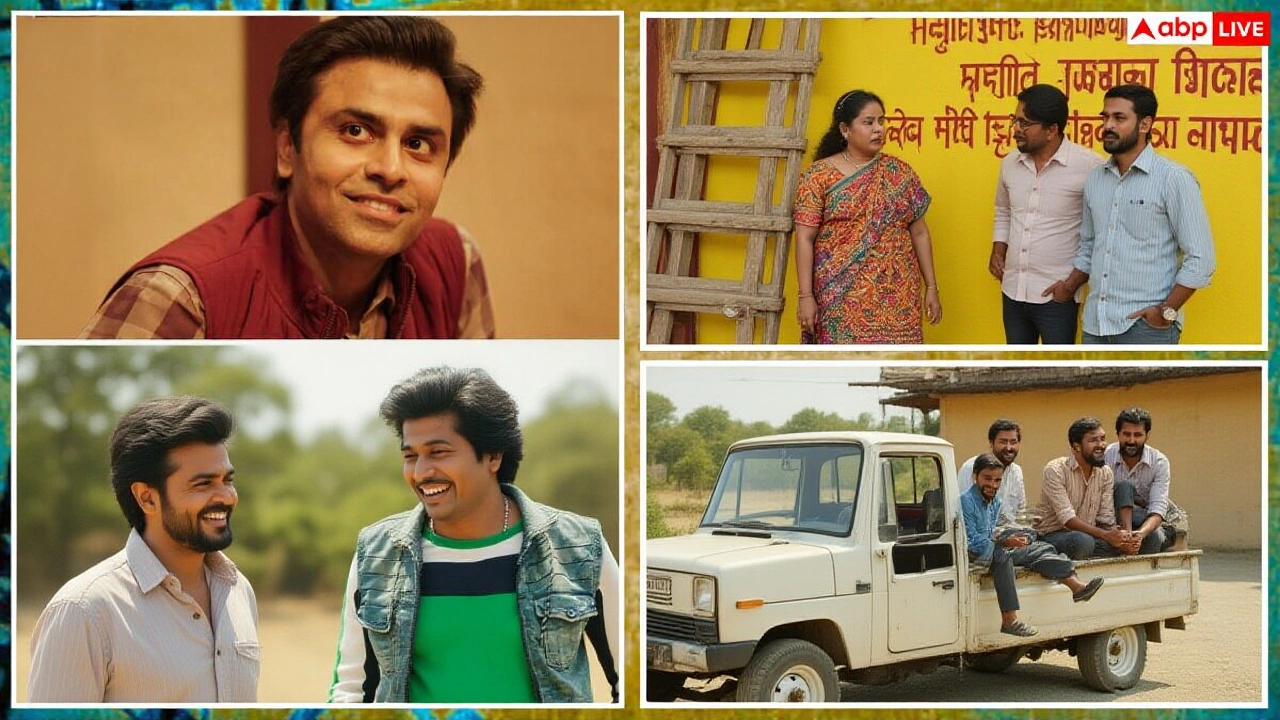
Piku remains one of the most beloved films in modern Indian cinema. Released in August 2015, it starred Deepika Padukone alongside Bachchan and Khan. Directed by Shoojit Sircar and produced by MSM Motion Pictures, Saraswati Entertainment, and Rising Sun Films, the movie was praised for its realistic portrayal of an aging father-daughter relationship.
The film’s success wasn’t accidental. It relied heavily on the natural rapport between its leads. Critics noted how effortlessly Bachchan and Khan bounced off each other, creating moments that felt unscripted. Perhaps those moments of tension Sutapa mentioned helped forge that authenticity. After all, real families argue, misunderstand, and reconcile. The actors mirrored that dynamic.

Remembering Irrfan Through His Legacy
Irrfan Khan passed away in April 2020, leaving a void in global cinema. Since then, there has been a wave of nostalgia, with colleagues and family members sharing memories. Sutapa San’s recent interview is part of this trend. She doesn’t shy away from showing Irrfan’s flaws or quirks, which makes her stories more endearing. We don’t remember him as a statue; we remember him as a human being who cared deeply about his work.
For fans, these anecdotes matter because they demystify the stars. Seeing Amitabh Bachchan get annoyed humanizes him too. It reminds us that even icons have limits, preferences, and bad days. It also underscores the collaborative nature of filmmaking—a delicate balance between individual expression and collective harmony.
What Experts Say About On-Set Dynamics
Film historians often point out that great performances emerge from conflict. Think of Marlon Brando and Lee J. Cobb in *On the Waterfront*, or Daniel Day-Lewis and Tom Hanks in *The Man Who Wasn’t There*. Tension breeds intensity. If Bachchan and Khan had agreed on everything instantly, the result might have been smoother—but less memorable. Their differing approaches forced them to be sharper, more present, and more reactive.
Director Shoojit Sircar has spoken in past interviews about how much he valued the actors' inputs. He allowed space for improvisation, trusting that their instincts would lead them to truth. That trust clearly paid off. Piku grossed over ₹40 crore worldwide, becoming a sleeper hit that resonated with audiences across demographics.
Frequently Asked Questions
Did Amitabh Bachchan and Irrfan Khan have a real fight?
No, it wasn’t a serious fight. Sutapa San described it as a "fun story" where Bachchan was briefly annoyed by Irrfan’s last-minute creative changes. It was a professional disagreement rooted in artistic differences, not personal animosity. Both actors respected each other immensely and resolved the issue quickly.
Why did Irrfan Khan change things on set?
Irrfan Khan was known for his meticulous preparation and instinctual acting style. He often adjusted dialogue delivery, pauses, and physical actions to make scenes feel more authentic. He believed these subtle shifts enhanced the emotional truth of the character, even if it meant deviating from the scripted plan.
How did Deepika Padukone react to the tension?
While Sutapa’s anecdote focuses on Bachchan and Khan, Deepika Padukone remained largely unaffected by any behind-the-scenes friction. She has consistently praised both veterans in interviews, calling them mentors. Her role as Piku required her to navigate the complex relationship between her father and friend, so she likely observed their dynamic closely to inform her performance.
Was Piku a commercial success?
Yes, Piku was a significant commercial and critical success. Produced on a modest budget, it earned over ₹40 crore at the box office. It received widespread acclaim for its writing, direction, and performances, winning multiple Filmfare Awards including Best Film and Best Director for Shoojit Sircar.
What does this story tell us about Irrfan Khan?
It shows Irrfan as a dedicated artist who prioritized authenticity over convenience. Even when working with legends, he stayed true to his instincts. His willingness to challenge norms—even if it caused minor friction—reflects his commitment to delivering powerful, nuanced performances. This trait defined his entire career.